
How Seat Belt Injuries Can Affect Your Recovery
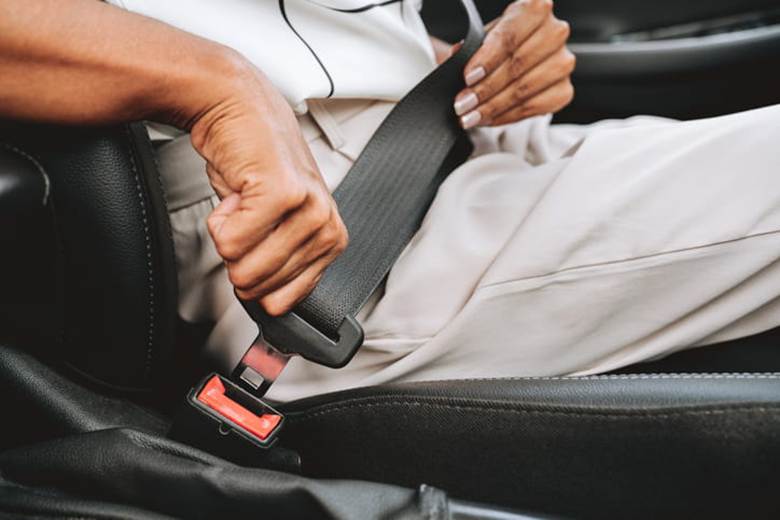
What Are Seat Belt Injuries?
The data is clear; seatbelts save lives. Since their widespread adoption, they have reduced fatal injuries in car accidents by nearly 50%. Still, that doesn’t mean victims won’t come out unscathed after an auto collision while wearing a seatbelt.
Seatbelt injuries are the result of the immense force when a car accident occurs. The phenomenon has been so widespread it’s been given the name “seatbelt syndrome” — a term used to describe the specific types of injuries victims sustain when they are injured by the restraint.
Contact us today.
Why Do Seat Belts Still Sometimes Cause Injuries During Collisions?
Designed to be the ultimate safety restraint when traveling in a vehicle, seatbelts aren’t immune to the laws of physics. Seatbelts are designed to minimize the impact your body will have from hitting the dashboard by applying concentrated force to the strongest parts of your body — the chest, shoulders, and pelvis.
However, the downside to this is that the restraint applies extreme pressure on your body in the form of compressing your internal organs, hyperextension of your neck, and even bruising to your musculoskeletal system.
What Are Some Common Seat Belt Injuries?
There are certain types of injuries that are more prominent when wearing a seatbelt.
Common types of seatbelt injuries include:
- Bruising along your chest
- Shoulder injuries
- Rib injuries
- Neck strain, such as whiplash
- Soft tissue damage
- Abdominal injuries from the impact
What Are Some Symptoms You Shouldn’t Ignore After a Seatbelt Injury?
Your body may experience a surge of adrenaline after an accident which can mask pain immediately after the crash. However, there are some symptoms that you should pay special attention to once the adrenaline wears off.
These symptoms include:
- Abdominal pain or swelling
- Shortness of breath or chest pain
- Numbness or tingling in the arms or legs
- Dizziness or severe headaches
- Persistence of pain that does not subside with rest or over-the-counter medication
When To Seek Medical Treatment
Always seek medical treatment after a car accident. If you are put on a treatment plan, it’s crucial that you follow through with your treatment plan as well. Waiting to get the treatment you need can allow micro-tears in muscles and ligaments to develop into chronic scar tissue. This can make your injuries harder to treat later.
How Physical Therapy Helps After Seat Belt Injuries
Physical therapy is an essential part of the recovery plan for most seatbelt injury victims. The purpose of physical therapy is not only to help you manage your pain but to also help you restore the function of your body, so you do not suffer from any long-term mobility issues or even disabilities.
A skilled physical therapist will first conduct an assessment to determine what your physical therapy needs are. They also use targeted techniques to address specific trauma.
Depending on your seatbelt injuries, your treatment plan may include a combination of:
- Manual therapy to break up scar tissue.
- Modalities, like ultrasound or electrical stimulation, to reduce inflammation.
- Therapeutic exercises to restore your range of motion.
What Are the Benefits of Early Rehabilitation?
Early rehabilitation is key to a successful recovery. There are many reasons why seeking early car accident physical therapy can make a significant difference in your overall recovery outcome.
Some of the advantages of early rehabilitation include the following:
- Reduction of scar tissue: Early mobilization prevents muscle tightening and reduces painful scar tissue.
- Pain management: Physical therapy offers natural pain relief, reducing the need for addictive opioids.
- Prevention of muscle atrophy: Early intervention keeps muscles active, preventing weakness from disuse.
- Faster return to routine: Starting therapy within the first week speeds up your return to work and daily life.
Why Should You Follow Your Treatment Plan?
Your treatment plan is specific to you and will be adjusted accordingly as you progress through your recovery plan. Following your treatment plan ensures you continue building on the physical therapy goals you’re working toward.
Stopping early can lead to regression and even re-injury. Your body may feel strong, but the deep ligaments and fascia take much longer to heal than the superficial muscles. You also risk developing “guarding” behaviors. This is when you subconsciously favor your injured side, which can lead to muscle imbalances and chronic pain that could last for years.
Start the Road to Recovery With ZK Physical Therapy & Chiropractic
At ZK Physical Therapy & Chiropractic, our experienced physical therapists combine the latest advanced physical therapy techniques with chiropractic adjustments to help you restore your body’s natural function, while allowing you to realign your spine and improve your overall mobility.
Our individualized recovery programs are specifically designed for victims who suffered a seatbelt injury after a car accident. We reject the one-size-fits-all approach and fully tailor your treatment and services to your unique recovery needs and will answer all your questions along the way.
To learn more about how our team can help you start on the path toward healing after a car accident, reach out to us today. Request an appointment and get back to a pain-free life.